




The Silicon Ceiling For sixty years, we’ve relied on silicon to make transistors smaller and faster. However, as we approach the 1-nanometer scale, we are hitting the “quantum tunneling” limit—where electrons start jumping through barriers they shouldn’t, causing heat and instability. In 2026, the tech niche is moving toward Post-Silicon Materials.
The New Contenders
- Gallium Nitride (GaN): Already revolutionizing power adapters, GaN is moving into the core of the data center. It handles higher voltages and heat much better than silicon, allowing for smaller, faster power supplies that lose almost no energy as heat.
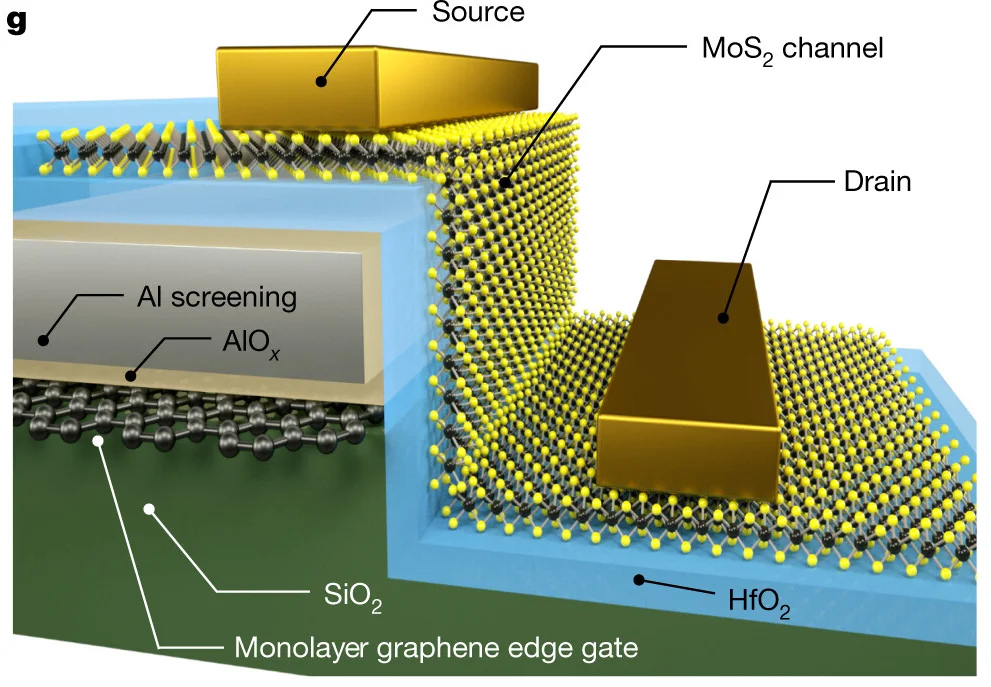
- Graphene Transistors: Graphene is a single layer of carbon atoms that is 200 times stronger than steel and an incredible conductor. In 2027, “Graphene-on-Silicon” hybrids are being used to create processors that can reach speeds of 100 GHz—far beyond the 5 GHz limit of today’s gaming CPUs.
- Carbon Nanotubes (CNTs): Imagine a processor built like a skyscraper rather than a flat map. CNTs allow for 3D-stacked chips that pack more processing power into the same footprint without the thermal meltdown that silicon would suffer.