



The Efficiency Crisis of Classical Chips Traditional Von Neumann architecture—the foundation of almost every computer today—separates the processor from the memory. While powerful, this setup creates a “bottleneck” where data constantly shuttles back and forth, wasting immense amounts of energy. In 2026, as AI models grow, this energy consumption has become unsustainable. Enter Neuromorphic Computing.
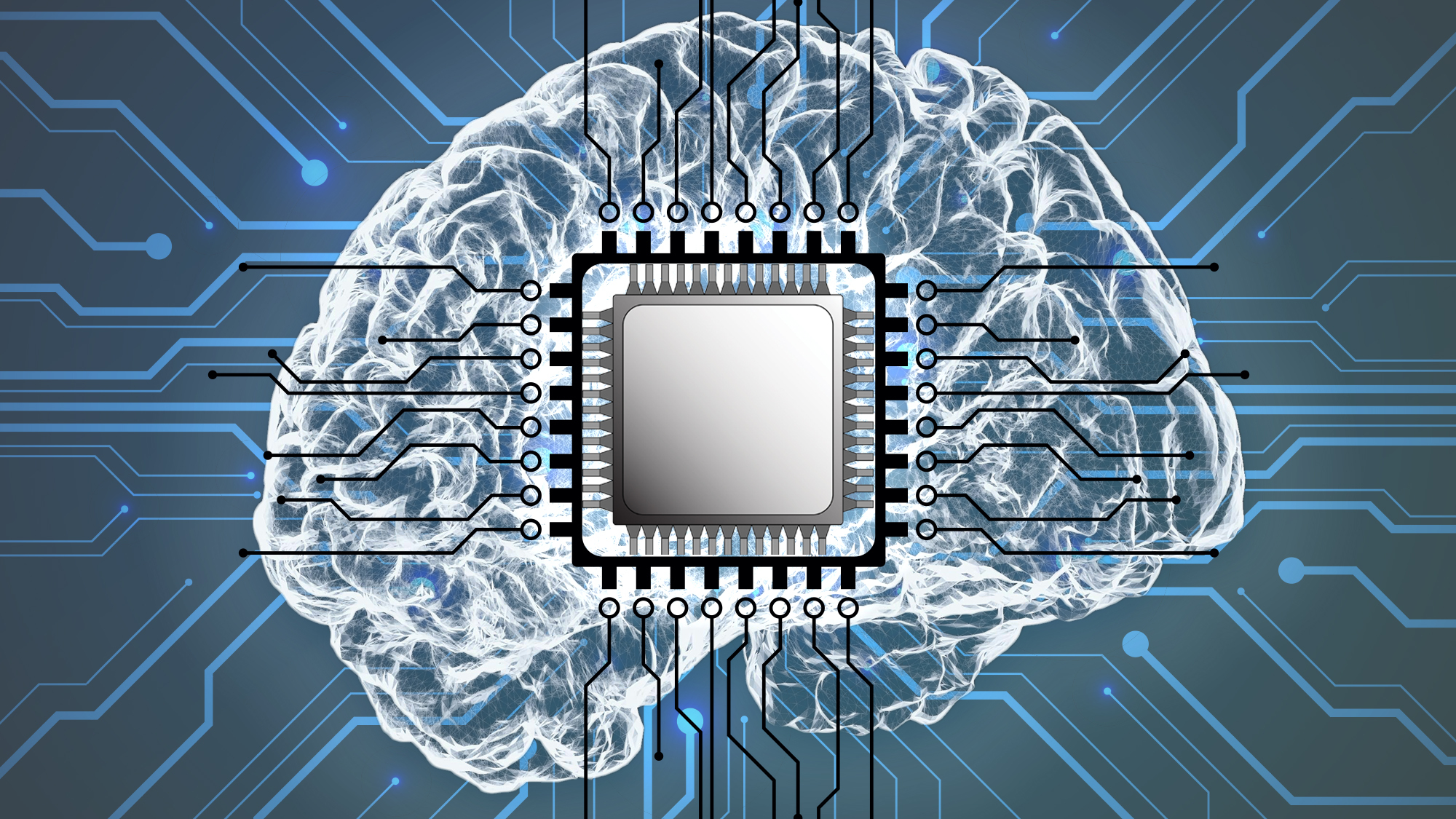
What is a Neuromorphic Chip? Unlike standard chips, neuromorphic processors (like Intel’s Loihi or IBM’s NorthPole) are designed to mimic the human brain’s neural structure. They use “Spiking Neural Networks” (SNNs) where information is only processed when a specific “spike” of electricity occurs.
- Event-Driven Processing: If there is no new data, the chip uses near-zero power. This is exactly how the human brain remains the most efficient computer on Earth, running on about 20 watts.
- On-Chip Learning: These chips can learn from new data in real-time without needing to be “retrained” on a massive cloud server.
The Impact on Edge Tech By 2027, neuromorphic chips will be the “eyes and ears” of autonomous systems. Imagine a drone that can navigate a dense forest using the power of a hearing aid battery, or a smartphone that performs real-time voice translation locally without ever heating up.